
// Free SecOps Learning · Powered by Red Canary
Resources for defenders in training
A curated field library from Hacker-Labs.org by Tutelr Infosec — endpoint security fundamentals, MDR demo videos and real-world case studies to pair with your hands-on labs.
// Featured learning module
Deep-dive: operationalizing ATT&CK
MITRE ATT&CK: The Play at Home Edition
Follow the fictional Frothly brewery — CEO, threat-intel analyst, network defender and red teamer — as they turn an Iranian threat headline into a full intel → detect → emulate loop using ATT&CK Groups, Splunk correlation searches and Atomic Red Team.
// Cybersecurity 101
What is endpoint security?
Endpoints — laptops, servers, phones, IoT — are the doors into your environment. Endpoint security is the lock, the deadbolt and the 24×7 guard. This guide covers the fundamentals every operator should know.
What endpoints are
Any device that connects to and exchanges data with a network — desktops, laptops, phones, servers, workstations, IoT devices and virtual machines.
Why they're targeted
Massive surface area, human error, unpatched software and sensitive local data make endpoints the highest-ROI target for financially motivated adversaries.
Why protection matters
Endpoint protection reduces breach risk, minimizes downtime and prevents the cascading financial and reputational damage of a successful intrusion.
Types of endpoint threats
Tricks users into clicking malicious links, opening attachments, or handing over credentials.
Silent downloads that plant malware when a user visits a compromised page.
Viruses, worms and spyware that steal data, disrupt operations or launch follow-on attacks.
Encrypts endpoint data and extorts payment for decryption — often paired with data theft.
Unpatched software is a doorway; attackers exploit known CVEs for initial access.
Weak passwords, reuse and sharing lead directly to credential abuse.
Third-party vendors and updates weaponized to reach your network.
Improperly secured RDP, VPN and RMM tooling exploited for hands-on-keyboard access.
Best practices
Harden devices
Antivirus, EDR agents, host firewalls and rigorous patching across every OS and firmware.
Empower users
Ongoing phishing awareness, clear reporting paths, and least-privilege access reviews.
Enforce cyber hygiene
Strong passwords, MFA everywhere, and disabled legacy auth protocols.
Encrypt everything
Disk, transport and backup encryption for hybrid and remote workforces.
Monitor continuously
24×7 telemetry and behavioral detection — pair EDR with a mature response process.
Stay informed
Subscribe to trusted threat intel, run tabletops, and adapt to new adversary TTPs.
Types of endpoint security solutions
First line of defense — antivirus, firewall and app control unified to block known threats.
Behavioral monitoring, investigation and response for suspicious activity beyond signatures.
Policy enforcement, device posture and mobile-specific threat detection for phones and tablets.
Cross-domain correlation across endpoint, identity, network and cloud telemetry.
Outsourced product operations and alert triage across many tools.
Expert-run SOC on top of your EDR — investigation, containment and remediation, 24×7.
Selecting an endpoint security tool — the questions to ask
- 01Why are you investing in endpoint security — visibility gap, compliance, or stopping active threats?
- 02What expertise and staffing does the tool actually require to operate?
- 03What is the business impact and rollout complexity across your fleet?
- 04Which OSes, platforms and architectures must it cover?
- 05How deep is the telemetry — process, file, network, identity, cloud?
- 06How does prevention integrate with detection — one agent or many?
- 07How are threats detected — signatures, behavior, ML, human analysts?
- 08What response actions are built-in — isolate, kill, roll-back?
- 09What reporting and metrics ship out of the box?
- 10Which SIEM, SOAR and IT tools does it integrate with?
- 11What is the performance footprint on endpoints?
- 12How does the vendor secure the agent and its cloud backend?
- 13What support tier and response SLAs are included?
// Demo library
MDR & SecOps in action
Short-form demos across ransomware, identity, phishing, cloud and social engineering — hosted on the Red Canary demo hub.
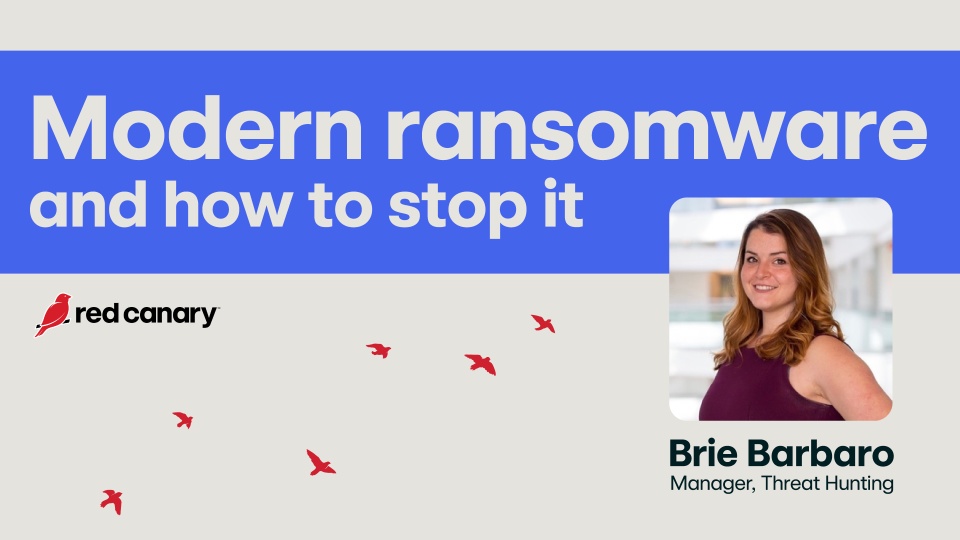
Ransomware detection and response
Detect, contain & remediate pre-ransomware activity, hunt threats, and report on trends across your environment.
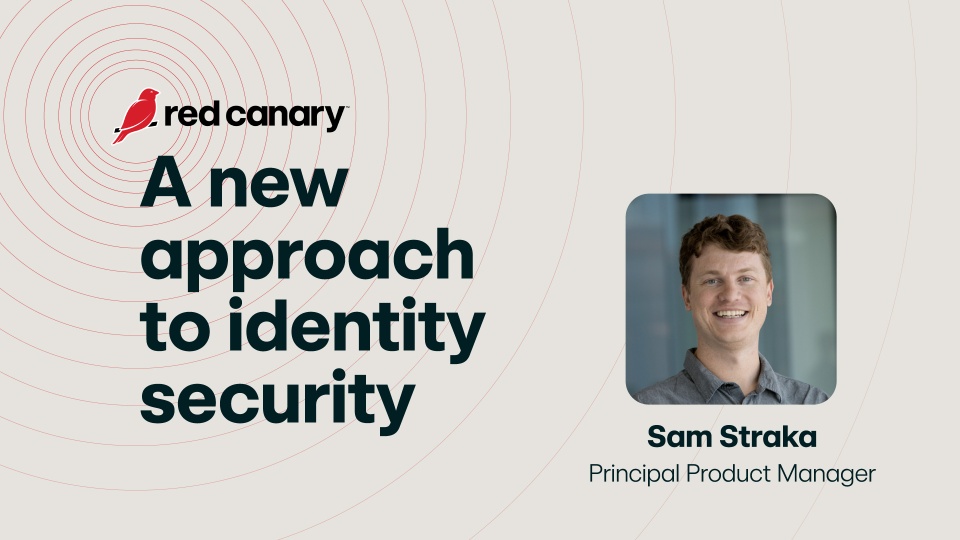
Identity threat detection and response
AI, UEBA and rule-based detection stopping identity threats — with containment and transparency built in.
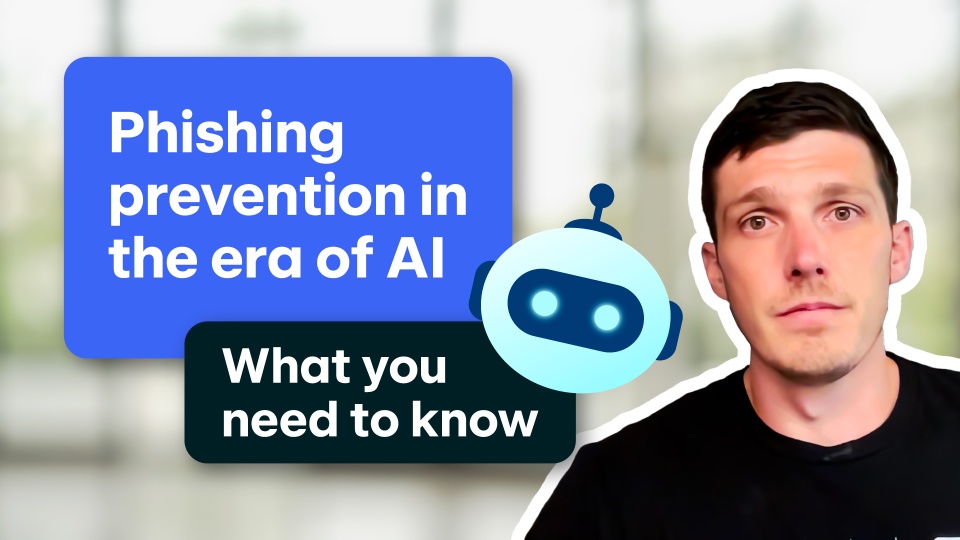
Reported phishing response
Remove 99% of false-positive phishing reports with AI, human expert analysis and automated user notifications.

SecOps metrics and reporting
Cut through metric noise with concise threat analysis and transparent views into operational efficiency.
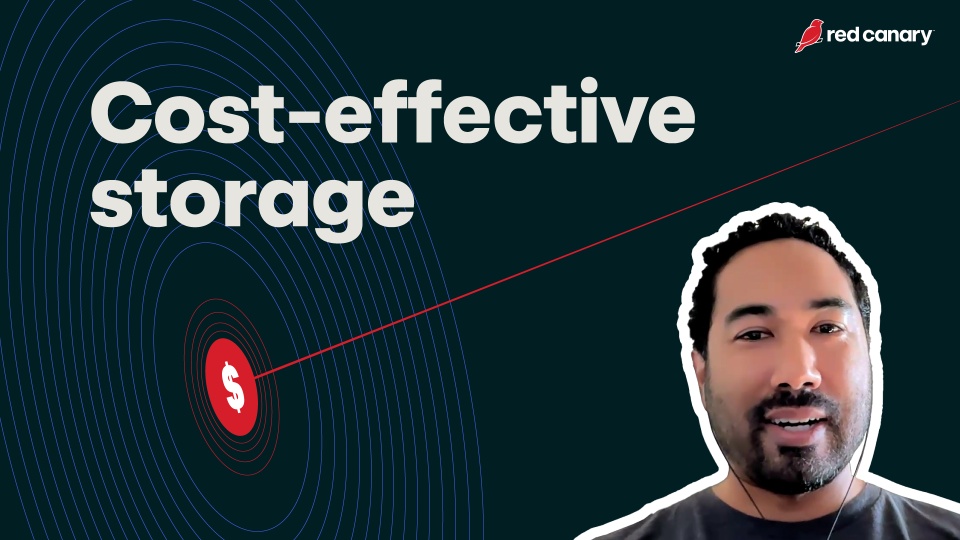
Cost-effective storage and investigation
Search and store your telemetry cost-effectively for any retention window you specify.

Social engineering detection and response
Detect, contain, remediate and report on social engineering threats across your environment.
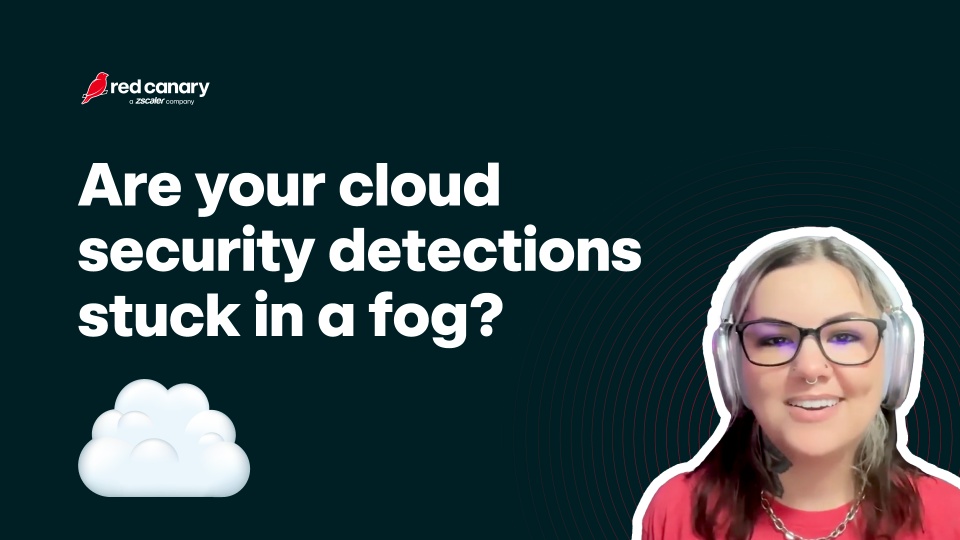
Cloud threat detection and response
Simplify cloud threat detection across complex, multi-account environments.

Red Canary 101
The full tour: threat analysis, containment playbooks and remediation on your behalf.
// Field reports
Real-world case studies
How real security teams detect, contain and recover from active intrusions — read the full library on Red Canary's resources center.
Hacker-Labs.org by Tutelr Infosec · Powered by Red Canary
Educational excerpts adapted from Red Canary's public Cybersecurity 101 library. Trademarks and content belong to their respective owners.